
JIM MORTENSEN
Hi! I’m an Emmy-nominated Producer/Director and creative leader for animation. I’m extremely passionate about leading teams to do the best work of their lives while having the best time of their lives.
SUPERVISING PRODUCER, BIG NATE
As Supervising Producer and #2 hire on Big Nate, I helped build both creative and production. My first day was the day 1 of the pandemic, which meant figuring out how to build a show in a new, fully remote environment. Every step of the process had to be rethought – from hiring to writers’ room story breaks to storyboard pitches to final mixes. It was a lot!
On top of that, I helped craft the tone, humor, and filmmaking style of the show by directing and storyboarding on the Emmy-nominated pilot & main title.
Despite the production challenges, we delivered 52 x 22 min episodes of a widely loved and wildly creative mixed-media series. We stayed on-schedule and on-budget while maintaining a positive and supportive environment. In short, we all had a blast. Ask any Big Nate-er how they liked working on the show and you’ll get a lit up smile. “Best show ever.” I take that as a testament to the show culture we built.
Big Nate Cold Open & Main TItle - Storyboards & Direction by Jim Mortensen
Big Nate “CATastrophe” - Storyboards by Jim Mortensen & Brandon Warren, Directed by Jim Mortensen
Big Nate Alternate Main Title - “Time Disruptors”
Storyboards & Direction by Jim Mortensen
DIRECTOR
My three goals as a Director are to deliver a show that:
makes audiences laugh and cry, while being...
…a blast to work on, and…
…earns a bucketload of money for whatever parent corporation.
My directorial style is upbeat, energetic, and fun – and that applies to both the working and the work.
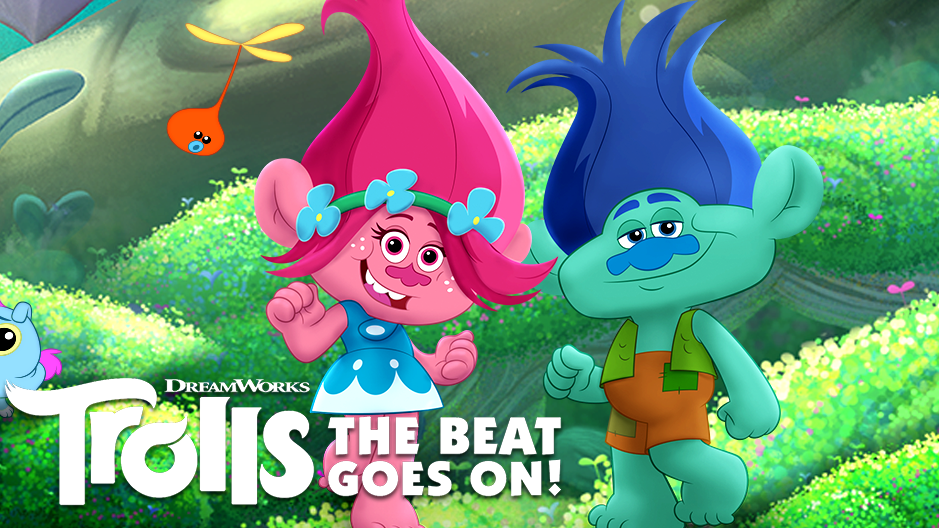
SUPERVISING DIRECTOR - TROLLS: THE BEAT GOES ON
Early in the production of Trolls: The Beat Goes On – before the feature film was even finished boarding! – I was brought in to help turn the show towards comedy. I worked to infuse an upbeat sense of humor into every episode, plussing the wonderful scripts with visual humor at any chance. I directed a wide swath of episodes from the pilot “A New Bergen-ing” to the cinematic “Pillow War” to the heartfelt “Cloudy with a Chance of Hugs”. EP Matt Beans, SP Frank Molieri and I delivered 8 seasons of a show rich with charm that made fans and future-fans happy.
TRL126 "Pillow Fight" - Animatic
Directed by Jim Mortensen.
Storyboards by Fabien Tong, Pat Pakula, and Jim Mortensen
Edited by Mark Emerson.
SUPERVISING DIRECTOR - TROLLSTOPIA

And then for TrollsTopia, we did it again! This time, I led the push to switch to a Harmony pipeline. This had multiple benefits like tighter control over timing, a built-in comp & beautification pass, tighter model control, etc. Again I directed multiple episodes of the 104 x 11 min we delivered, including the cozy “My Dinner with Dante” and the wild pinball adventure “Surprise-O-Tron”. I also storyboarded & directed the main title.
TrollsTopia Moonboy & Main Title.
Storyboards & Direction by Jim Mortensen
NTR328 “My Dinner with Dante”
Storyboards by Jim Mortensen, Andrew Bendik, Michelle Thompkins-Lima
Directed by Jim Mortensen
CREATOR
I’ve also sold multiple projects to studios and continue to build a stable of original projects including the mockmentary family comedy The Unfortunates, the high-stakes action No Recipe, and the buddy comedy ToromTellum! I’ve also pitched takes on major IPs. so if you’re interested in talking development of IP or originals, get in touch.
STORYBOARDS
This a sampling of my storyboard work
All drawings are mine.
Animatic for the pilot cold open of the original IP “The Unfortunates”.
All storyboards & direction by Jim Mortensen, written by Sarah Allan.
Storyboarded in Blender.
Personal adult comedy sequence - ”THE BET”
Written & storyboarded by Jim Mortensen
ABOUT & CONTACT

On top of my professional career, I founded & run the Story for All Mentorship Program, which offers free 1:1 storyboard mentorships to BIPOC artists and includes 70+ mentees and 50+ volunteer mentors.
I live in Los Angeles with my beautiful wife Lily and the world’s friendliest dog, Matcha.